
KITA Group continues to make its mark on the journey of developing a new urban area at the western gateway of Ho Chi Minh City, as the project located on Vo Van Kiet Boulevard has officially received approval for the 1/500 detailed master plan. This is a significant legal milestone, opening the way for accelerated implementation and reaffirming KITA Group’s vision and capabilities in creating modern, civilized, and sustainable living spaces for the community.
KITA Group has officially reached an important legal milestone as the Commercial–Service and Residential Complex Ngôi Sao 69 (Stella 69) has been granted approval for its 1/500 detailed master plan by the People’s Committee of An Lac Ward. Issued under Document No. 1642/UBND, the approval stands as a strong affirmation of KITA Group’s long-term vision and capacity in shaping a modern urban development along Vo Van Kiet Boulevard—the key arterial route connecting central Ho Chi Minh City with the western districts.
The approval of the 1/500 plan follows Decision No. 3415/QĐ-UBND by the Ho Chi Minh City People’s Committee, which officially designated KITA Group as the project’s investor. This crucial legal step confirms that the project fully complies with planning regulations and meets all requirements related to architecture, technical infrastructure, environmental standards, and fire prevention and safety. Accordingly, Stella 69 is now eligible to move into the next phase, including completion of the basic design and implementation of subsequent development stages.
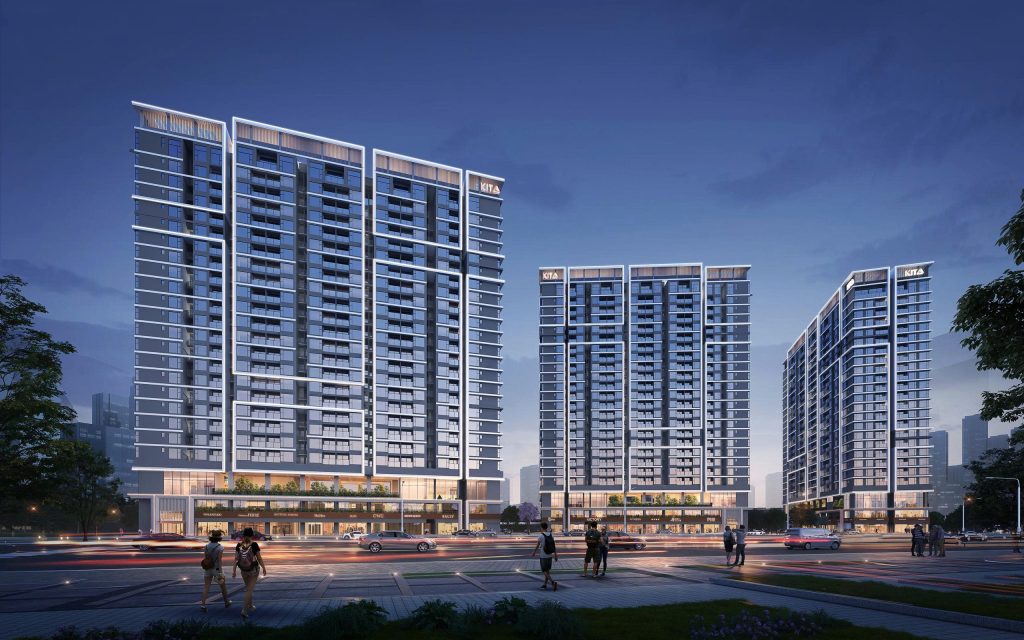
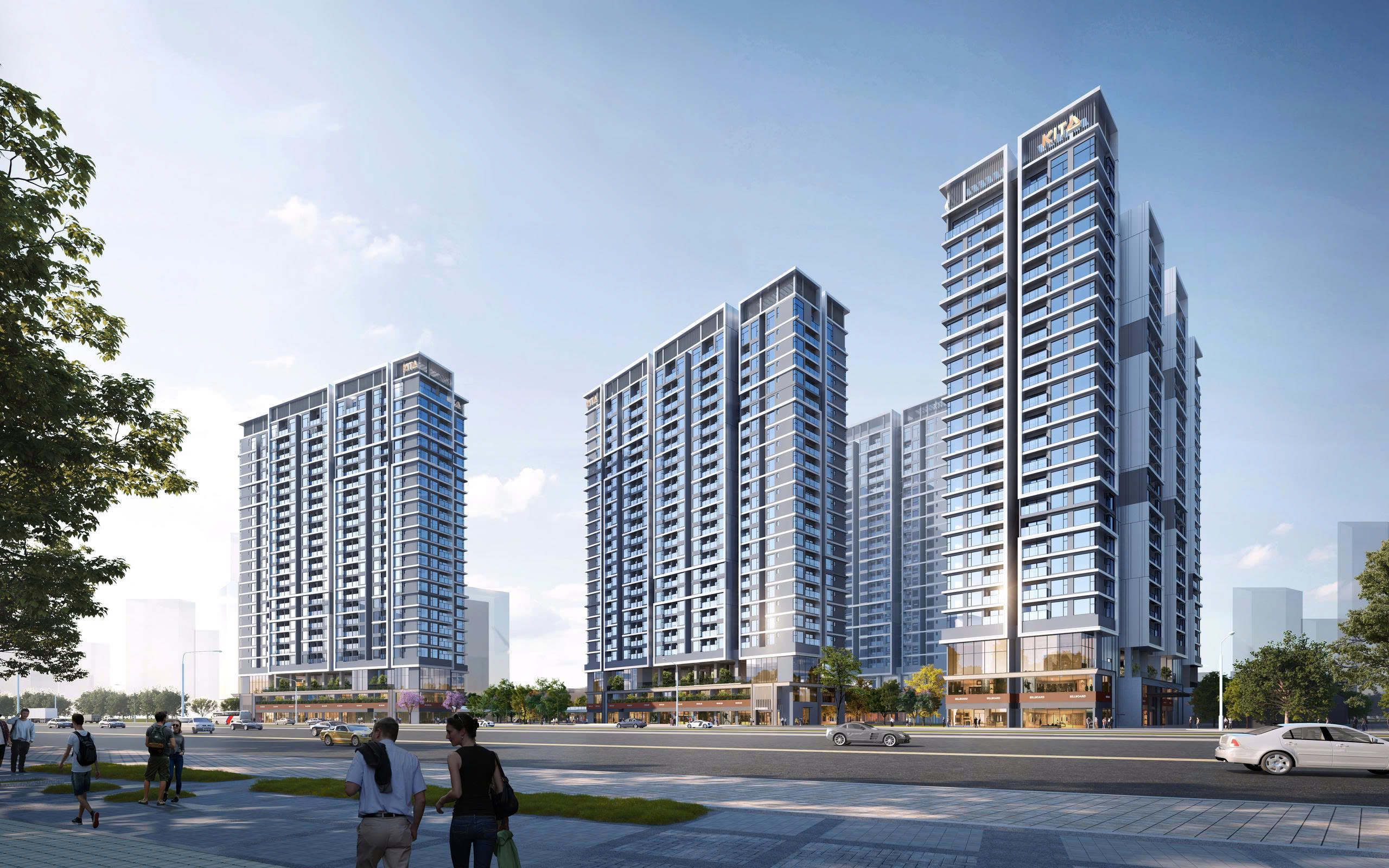
Located along the frontage of Vo Van Kiet Boulevard, Stella 69 not only enjoys a strategic location but also represents the first piece in the Stella 69 – Stella 79 – Stella 89 urban chain (KITA Vo Van Kiet) developed by KITA Group. Spanning 2.43 hectares, the KITA Vo Van Kiet complex is master-planned with four 24-storey residential towers, providing 1,544 apartments alongside a comprehensive and well-integrated internal amenity system. With a construction density of just 40%, the project allocates most of its land area to green spaces, open areas, and high-quality service infrastructure. Guided by a long-term planning strategy, KITA Vo Van Kiet is expected to become a model high-end mixed-use complex, contributing to a modern urban landscape in the western part of the city.
Previously, in September 2025, KITA Group commenced construction of the planned road connecting Vo Van Kiet Boulevard and An Duong Vuong Street—one of the key infrastructure projects developed under a socialized investment model. The Group donated land and fully financed the construction, demonstrating its commitment to improving regional transportation infrastructure and creating sustainable connectivity advantages for future residents. Once completed, the road is expected to become a vital traffic link while also enhancing surrounding property values.
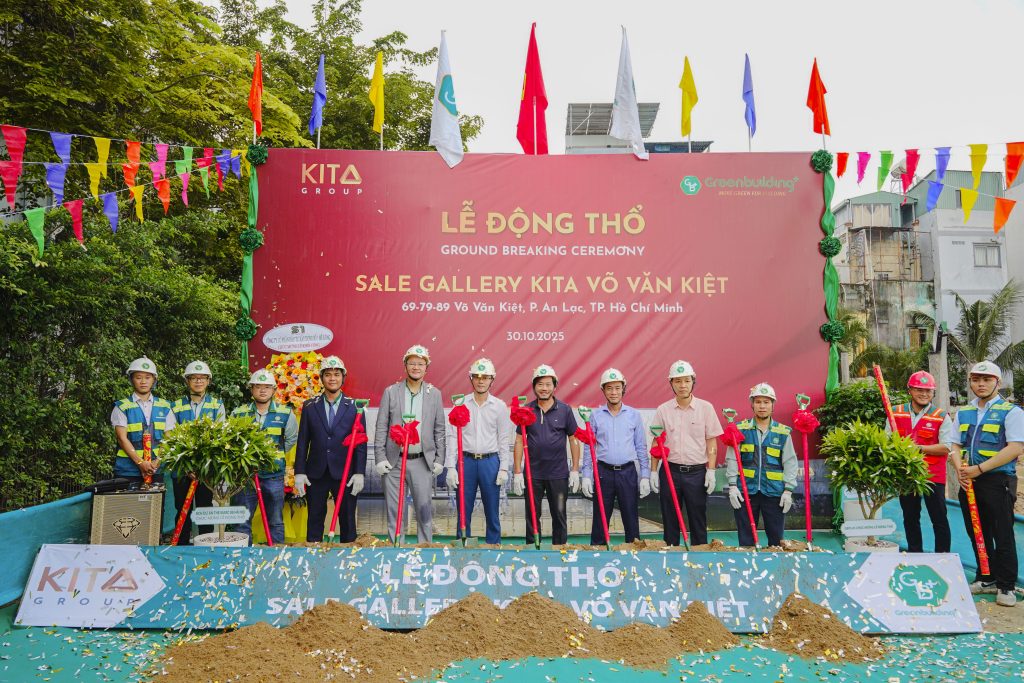
In October 2025, KITA Group also held the groundbreaking ceremony for the KITA Vo Van Kiet show unit complex, covering an area of more than 2,500 square meters and scheduled for completion in March 2026. Once operational, the show units will offer customers a firsthand experience of the project’s design concepts, materials, and living spaces.
The approval of the 1/500 detailed master plan not only marks an important legal milestone, but also reaffirms KITA Group’s strong commitment to developing high-quality projects that place emphasis on infrastructure, landscape, and amenities in alignment with the city’s planning orientation. Stella 69 will continue to serve as a key highlight of the KITA Vo Van Kiet urban area, contributing to the establishment of a new living standard—where modern living spaces are harmoniously connected with comfort and sustainable development.