
While Vietnam’s electric vehicle market has largely focused on personal transportation, a new opportunity is gradually emerging in the commercial vehicle segment serving logistics and urban operations. KITA Group’s entry into the production and distribution of electric commercial vehicles in Vietnam reflects a growing trend among real estate developers to expand into sectors directly supporting the operation of modern urban environments.
Producing and Distributing Electric Commercial Vehicles Tailored for the Vietnamese Market
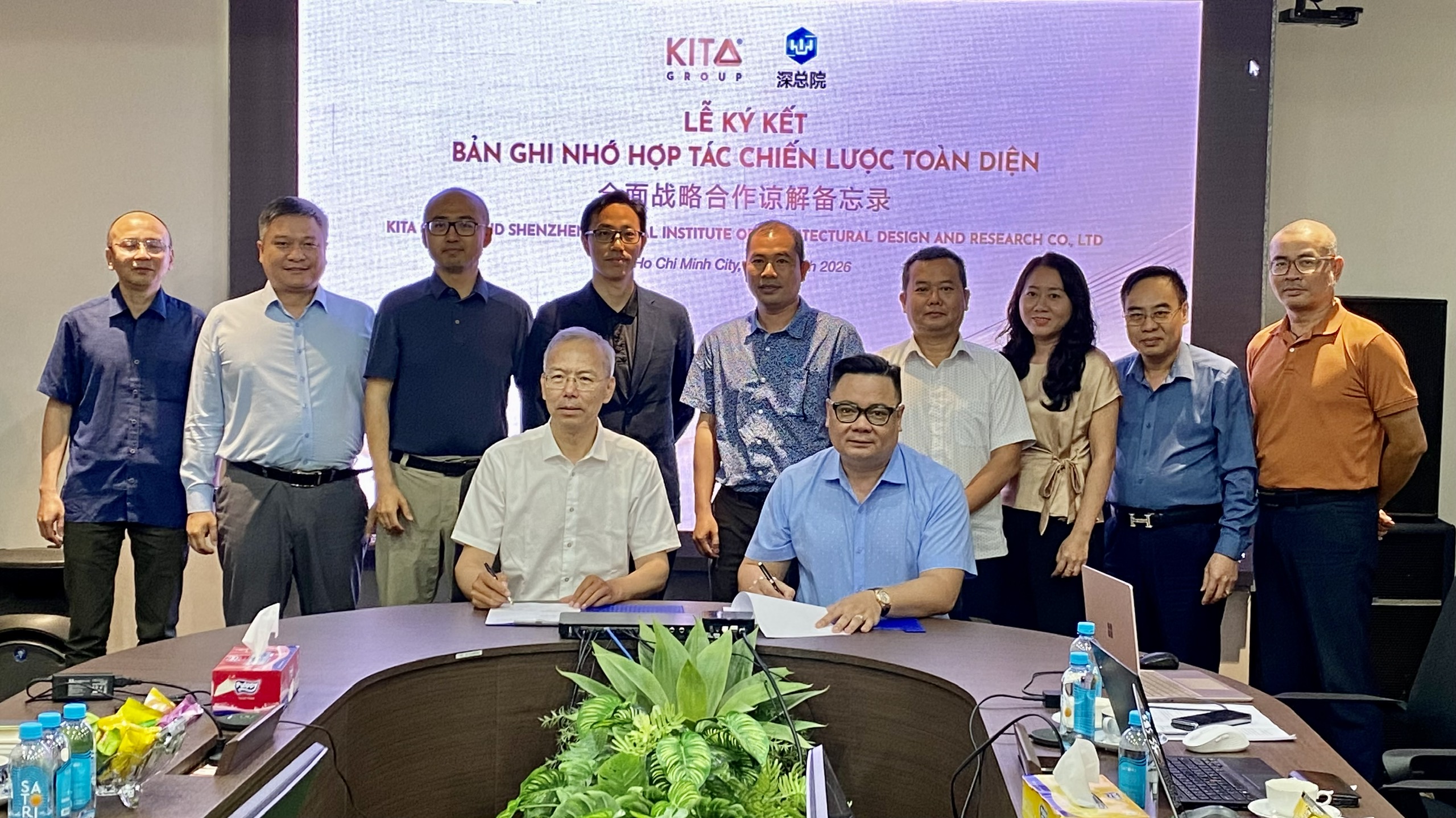
Recently, KITA Group and Chery Commercial Bozhou (China) signed a product distribution agreement in Vietnam, building upon the strategic cooperation framework previously established between the two parties. Under the agreement, KITA Group will participate in the production and hold exclusive distribution rights for selected Chery electric commercial vehicle models in the Vietnamese market.

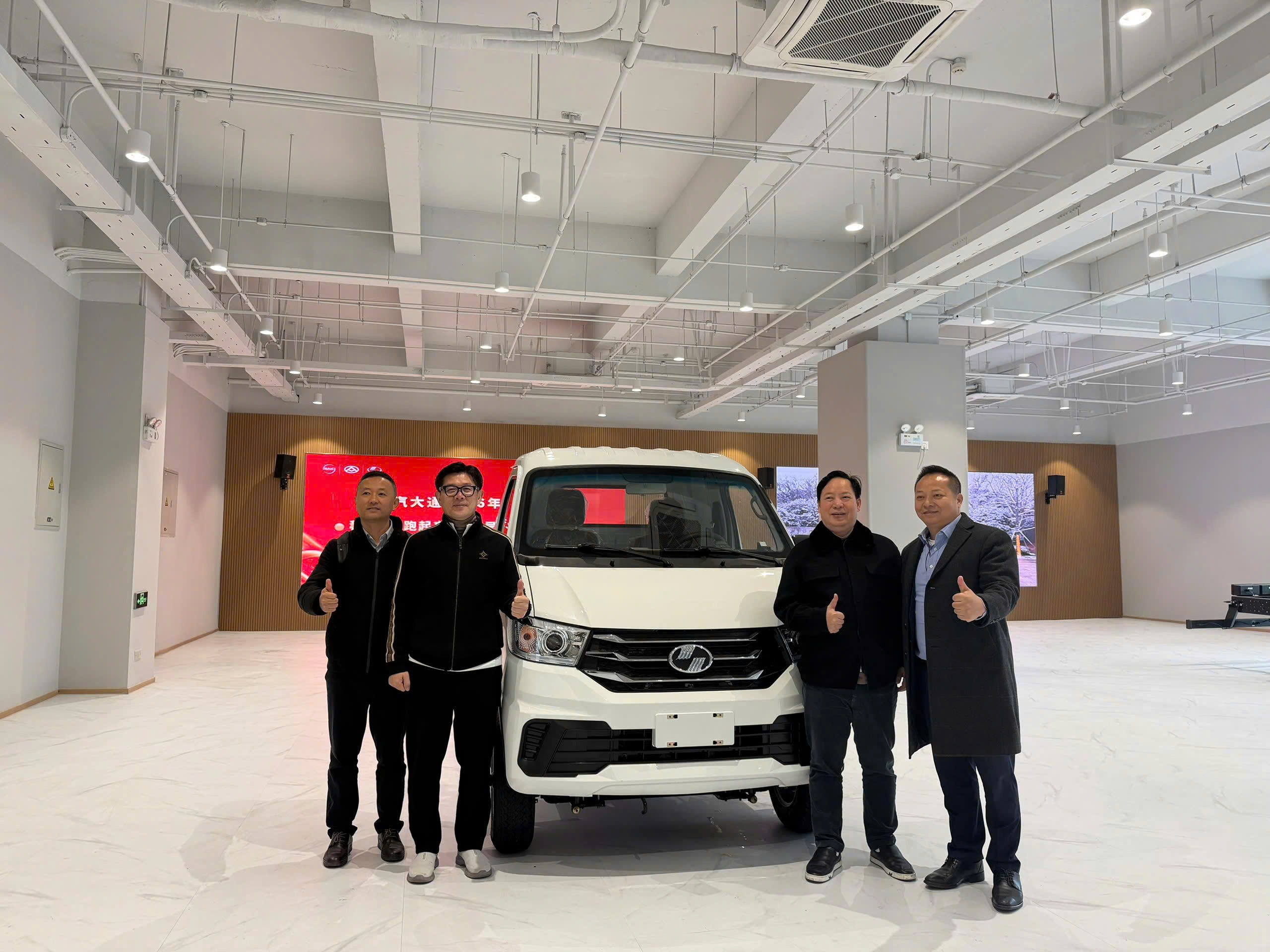
The electric commercial vehicle models expected to be assembled and distributed by KITA Group in Vietnam. (Illustrative image)
In the initial phase, the two companies plan to introduce the Paidi mini electric truck and van series, products specifically developed to serve urban logistics and last-mile delivery operations. Featuring a compact design, payload capacity of under one ton, and flexible maneuverability in urban environments, the Paidi lineup is expected to provide an alternative to many existing internal combustion engine vehicles.
As the personal EV market enters a highly competitive stage with participation from numerous domestic and international brands, KITA Group has chosen to focus on vehicles serving urban deliveries, last-mile logistics, and mobile service operations—segments widely regarded as having substantial growth potential amid the rapid expansion of e-commerce.
Notably, the vehicles developed by Chery Commercial Bozhou have been designed to meet Vietnam’s operational requirements and fully comply with the country’s technical standards and regulations. As major cities face increasing pressure on transportation systems and logistics infrastructure, demand is growing for compact commercial vehicles that offer flexibility and lower operating costs.

The vehicles are designed and developed to suit Vietnam’s real-world operating conditions. (Illustrative image)
Target customers for these products include logistics companies, courier service providers, retail chains, convenience stores, and mobile service operators. Beyond cargo transportation, the vehicles can also be adapted for specialized applications such as mini fire trucks, environmental sanitation vehicles, or operational vehicles for industrial parks and residential communities.
Mr. Pham Nguyen Hoang, Chief Executive Officer of Giai Phong Automobile Joint Stock Company, a member of the KITA Group ecosystem, stated that the collaboration goes beyond a simple product distribution partnership and represents a step toward developing transportation solutions better aligned with the practical needs of the Vietnamese market.
“We believe that Vietnam needs electric commercial vehicles designed specifically for the country’s traffic conditions and urban logistics requirements, rather than simply importing models developed for other markets. Our cooperation with Chery Commercial Vehicle, particularly Paidi Technology under the Chery Intelligent Technology ecosystem, enables KITA Group to gradually deepen its participation in the development of a modern and sustainable urban mobility ecosystem. We expect to launch the products in Vietnam during the first half of 2027,” Mr. Hoang said.
KITA Group’s Vision for Building an Integrated Urban Ecosystem
KITA Group’s involvement in electric commercial vehicle production and distribution highlights the company’s increasingly clear expansion into sectors closely connected to modern urban operations.
In recent years, alongside its real estate business, KITA Group has continuously expanded its presence into various sectors, including e-commerce, renewable energy, and healthcare. These industries share a common characteristic: they are directly linked to urban living and operational needs.
This trend also reflects a broader shift among urban real estate developers, who are no longer focused solely on building housing and infrastructure but are increasingly participating in the broader ecosystem that supports residents and urban functionality.
As e-commerce continues to grow rapidly, demand for goods delivery, urban logistics, and green transportation is expected to expand significantly in the coming years. This creates substantial opportunities for electric commercial vehicles, a segment that is increasingly viewed as an essential component of the modern urban ecosystem.
Therefore, KITA Group’s move into electric commercial vehicle production and distribution is not merely a business diversification strategy. More broadly, it demonstrates the company’s approach to participating more deeply in the urban value chain—from housing, services, and energy to transportation and logistics.